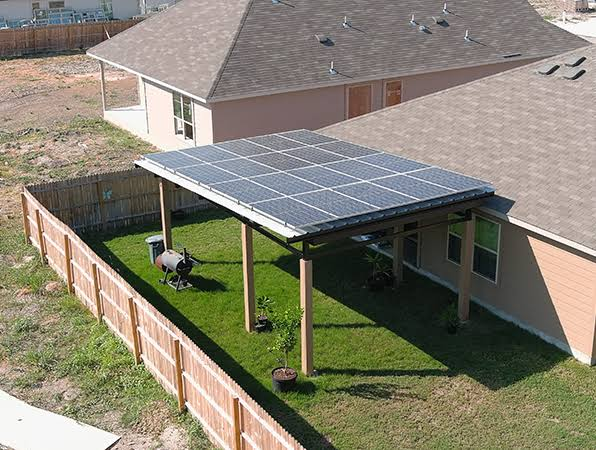
2.62 kW hybrid starter system built to expand
The system began as a phased residential hybrid project: enough equipment to learn the architecture and collect real measurements before committing to several more batteries and panels.
The first estimate was not the final truth.
The household was initially estimated at about 16.5 kWh/day. Once an energy meter was installed on the house output, measured consumption was closer to 21 kWh/day. That difference materially changed the storage expansion plan.
Most early failures were configuration problems, not failed hardware.
Battery communication
The inverter and battery did not communicate correctly until the proper lithium/BMS communication mode was configured over RS485.
Source oscillation
Allowing utility charging at night created repeated battery-voltage transitions and unwanted source switching. Solar-only charging was used to stabilise the intended operating strategy.
Cutoff set too conservatively
An overly high low-voltage cutoff reduced usable battery capacity. The lesson was to follow the battery manufacturer's actual operating limits rather than inventing excessive margin.
Prove each stage before buying the next one.
Starter system
4 panels, hybrid inverter, one LFP battery, transfer/failover and monitoring.
Measure the house
Collect real daily energy data and identify peak-load constraints.
Expand storage
Add battery capacity only after the measured overnight requirement is understood.
Expand PV
Add more panels only after rechecking string voltage, MPPT range, conductor size, and protection.